TL;DR:
- Good layering starts with a tight base layer: longsleeve, turtleneck or thermal layer
- The turtleneck is the silent hero of winter, always right under a hoodie or blazer
- Accessories like scarves, beanies and balaclavas determine the energy of your look
- UGGs are officially winter uniform: warm, comfortable and surprisingly easy to combine
- Layering is about balance: tight underneath, volume on top, functionality with style
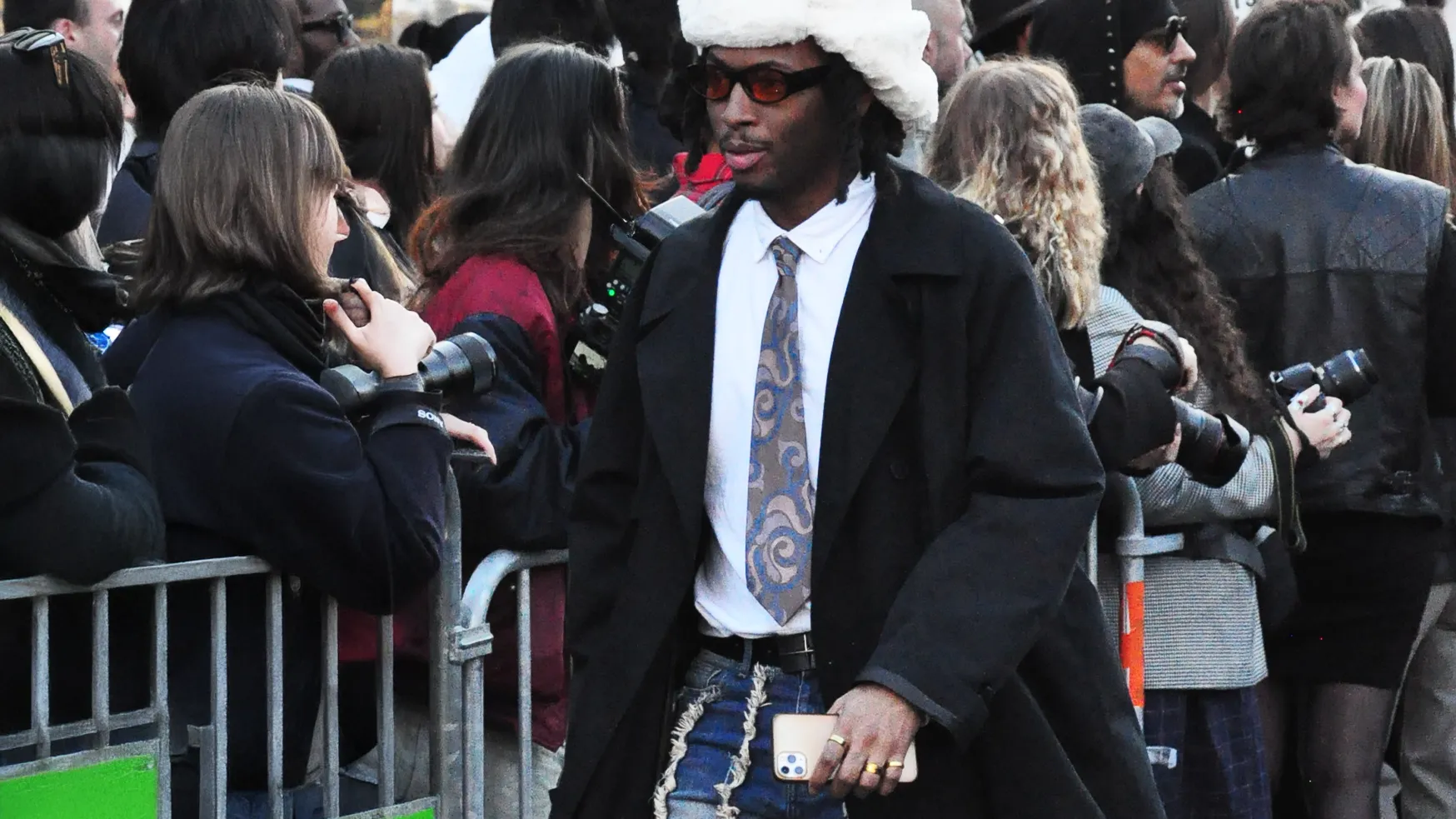
Foto: Winkelstraat.nl/ Paris Fashion Week
Start with a strong base (and think smart)
Every good winter fit starts with layer one. Not a hype piece, but something functional: a tight longsleeve, a thin turtleneck or a thermal layer that sits close to the body. You don't always see this base, but your outfit feels it. The cleaner this layer, the easier it is to play with volume on top.
Leggings are underrated here. Under a wide trouser or long coat they add warmth without your silhouette collapsing. Comfort, but considered.
The turtleneck = silent hero
The turtleneck is in winter what a perfect white T-shirt is in summer. Always right. Under a hoodie, blazer or oversized knit a turtleneck instantly gives depth to your fit, and keeps your neck warm, which is no needless luxury when it's freezing. Neutral colours work best: black, grey, off-white. Minimal, but effective.
Socks are allowed to join in
Don't hide your socks. Let them work for your outfit. Thick ribbed socks over boots or UGGs give a relaxed, winter-ready vibe. It's small styling choices like these that lift an outfit from "okay" to "good".
Accessories are no afterthought
Scarves, beanies, hats and balaclavas aren't just practical, they determine the energy of your look. An oversized scarf adds volume, a beanie makes an outfit instantly more street, and a balaclava balances perfectly between functional and fashion-forward. In winter, accessories aren't extras, they're part of the plan.
UGGs are officially uniform
UGGs are no longer up for debate. They belong to winter, full stop. Warm, comfortable and surprisingly easy to combine with layers. Think: leggings, long socks, oversized coat. Don't try to justify them, just own them. Sometimes comfort is the strongest style choice of all.
The coat makes or breaks everything
Your coat isn't just the last layer, it's the frame of your outfit. An oversized puffer, long wool coat or shearling coat brings everything together. Make sure it leaves room for layers. Too tight is cold, too small is limiting. Always buy your coat with layering in mind, not with one outfit in your head.
Layering is about balance, not about more
Good layering isn't about putting on as much as possible, but about the right proportions. Tight underneath, volume on top. Combining thin with heavy. Functionality with style. It's exactly that balance that makes outfits interesting and that shows you do more than just stay warm.
Winter weather is no reason to put your style on pause. On the contrary. With the right layers, getting dressed actually becomes more fun. Comfort and fashion can perfectly go together. As long as you know what you're doing.
Shop & style further
Looking for items to apply this right away? Check out our selection of winter coats, UGGs and knitwear essentials to make your layering game winter-proof. Staying warm is one thing, looking good while you do it is where the difference lies.
Curious how to turn your winter layers into spring looks later? Then read Winter to Spring 2026: 5 transitional fashion trends. And for inspiration on how streetwear and layering go together, check out the streetwear trends of 2026.
Frequently asked questions about layering
How many layers do you actually need for a good winter outfit?
Three to four layers is usually the sweet spot. Start with a thin base layer close to the body, add a mid layer for warmth such as a turtleneck or knit, and finish with a sturdy coat. Accessories like scarves and beanies count as an extra layer without adding bulk.
How do you avoid looking bulky with multiple layers?
The trick is in proportion. Wear tight layers underneath and build volume towards the outside. A fitted longsleeve under an oversized knit under a long coat creates a silhouette that feels layered without becoming heavy. Choose thin, quality fabrics for the inner layers.
Can you also apply layering in the in-between season?
Absolutely, and that's exactly when it shines. In the in-between season you swap the thick knits for lighter cardigans and overshirts. The basic principles stay the same: tight underneath, looser on top. A light trench or unstructured blazer replaces the winter coat as the outer layer.